

Free Consultations 301-762-7500

North Bethesda DUI Defense Lawyers
Attorneys for Intoxicated Driving Charges in North Bethesda, Maryland
When driving, the last thing a person wants to see is a police car pulling up behind them and flashing its lights to signal that they should pull over. When a stop by a police officer leads to a traffic ticket, a driver may face fines and other penalties. However, when an officer believes that a driver has been drinking alcohol, the charges and penalties will be much more serious. A person who is charged with driving under the influence (DUI) could face jail time, fines that will be much higher than simple speeding tickets, the loss of their license, and other penalties.
At the Law Offices of Mallon Snyder, our attorneys provide dedicated advocacy for people who are facing DUI charges in North Bethesda and throughout Montgomery County. Our attorneys have years of experience handling cases in Maryland courts, and we have a detailed knowledge of the DUI laws that may affect the outcomes of these cases.
We will take the time to explain each step of the process so that our clients will be prepared for every court appearance. This includes advising clients on what they should wear to court and how they should make statements or answer questions. Above all, we will fight for the best possible outcome for our clients so that they can avoid lasting penalties.
Where DUI Arrests Happen in North Bethesda
Montgomery County Police and Maryland State Police officers frequently stop drivers along Rockville Pike (MD 355), which runs past many restaurants and bars. Officers will also be watching for potential signs of intoxicated driving on Old Georgetown Road, Randolph Road, and the roads surrounding the Grosvenor-Strathmore and North Bethesda Metro stations. Drivers heading home on the I-270 spur or the Capital Beltway (I-495) may also be stopped by officers who suspect that they are under the influence of drugs or alcohol.
Why Officers Pull Drivers Over in DUI Cases
Most DUI cases begin with what may seem like an ordinary traffic stop. An officer may pull someone over because they observed a traffic violation like speeding or rolling through a stop sign. They may have noticed signs of possible drunk driving, such as drifting across lane lines, making a wide turn, driving without headlights at night, or braking erratically. Other minor violations may serve as a pretext for a traffic stop, such as a broken taillight.
Once a driver has stopped, the officer may look for signs like the smell of alcohol or a driver's slurred speech, and they may ask the driver to perform field sobriety tests or take other steps to determine whether the driver may be intoxicated. If there is enough reason to believe that a driver has violated the law by operating a vehicle while under the influence, the officer may arrest the driver for DUI.
Challenging a DUI Traffic Stop
The Fourth Amendment to the U.S. Constitution protects people from unreasonable searches and seizures. A traffic stop is a seizure, and an officer must have reasonable suspicion that a driver committed a traffic violation or another offense before pulling the car over.
A stop may be challenged if an officer pulled a driver over without having reasonable suspicion. For example, if the only basis for a traffic stop was that a person was leaving a bar late at night, the stop may be challenged. Our attorneys will compare an officer's written report against dash camera and body camera footage, because video may sometimes show that no violation occurred, and there was no reason to suspect that a driver was intoxicated.
If a judge finds that an officer did not meet the standard of reasonable suspicion, everything discovered after the traffic stop may be suppressed during a DUI case. This may include observations made during field sobriety tests or other evidence gathered during the traffic stop or after the arrest. Prosecutors may be unable to proceed with a case without enough evidence, and they may dismiss the charges.
Problems With Breath and Blood Tests
Implied consent laws generally require drivers to agree to chemical testing when they have been arrested for DUI. Refusing a test will lead to license penalties. While chemical tests often serve as key evidence in a case, they are not always reliable.
Breath Test Issues
A breathalyzer test must be given by a qualified operator using approved equipment. Police officers are required to observe a driver for a specific time period before a breath test to make sure nothing, such as burping or vomiting, could introduce alcohol in the mouth that could affect the readings. Machines that were not properly calibrated or maintained can provide inaccurate numbers.
Blood Test Issues
Blood must be drawn by a qualified medical professional, stored correctly, and tracked through a documented chain of custody. Contamination or gaps in paperwork can cast doubt on blood test results.
Protecting Your License After a DUI arrest
An arrest for drunk driving will involve two separate cases: DUI charges prosecuted in a district court and an administrative case with the Motor Vehicle Administration (MVA). To protect a person's driver's license, a hearing request must be filed with the MVA within 10 days after the arrest. Our team can act quickly to meet the proper deadlines, and we can take steps to defend against a driver's license suspension.
Contact Our North Bethesda, MD DUI Attorneys
When responding to DUI charges, the attorneys at the Law Offices of Mallon Snyder can review how a traffic stop was handled, determine whether breath or blood tests can be challenged, prepare a client to appear in court, and stand by their side as we defend against a conviction. Contact our North Bethesda, Maryland DUI defense lawyers at 301-762-7500 to arrange a free, confidential consultation with our legal team.
Contact Our Team Today
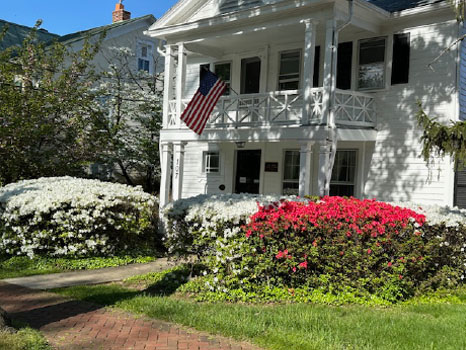
Office Location
107 N Adams St
Rockville, MD 20850
Call 301-762-7500
 The use of the Internet or this form for communication with the firm or any individual member of the firm does not establish an attorney-client relationship. Confidential or time-sensitive information should not be sent through this form.
I have read and understand the Disclaimer and Privacy Policy.


From our office in Rockville, the Law Offices of Mallon Snyder serves clients throughout the surrounding areas, including Montgomery County, Prince George's County, Frederick County, Howard County, the District of Columbia, Aspen Hill, Beltsville, Bethesda, Bowie, Chevy Chase, College Park, Frederick, Gaithersburg, Germantown, Glenmont, Greenbelt, Langley Park, Laurel, North Bethesda, Olney, Potomac, Silver Spring, Takoma Park, Urbana, Upper Marlboro, Columbia, MD, Washington DC, and Wheaton.
Results listed are not a guarantee or indication of future case results.
107 N Adams St, Rockville, MD 20850
301-762-7500
